
Home / Knowledge / ProLine CH55 lining for buried rainwater pipes
ProLine CH55 lining for buried rainwater pipes
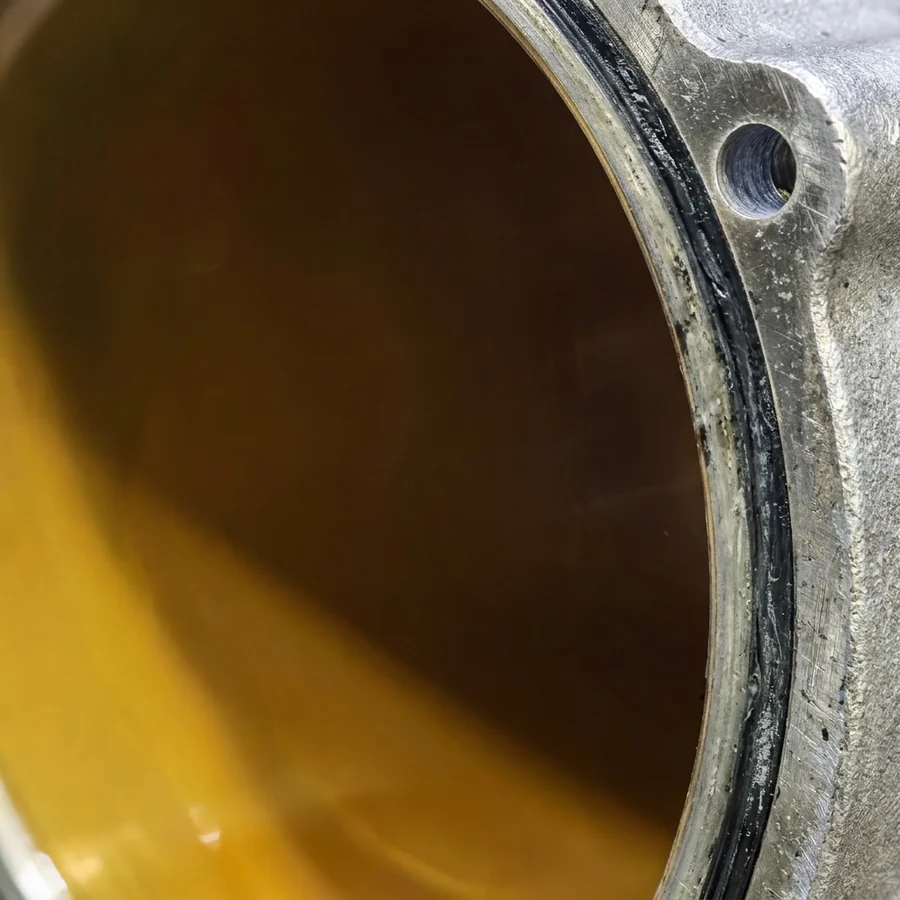
ProLine CH55 is a chemical-resistant pipe lining, not a C5H atmospheric system for steel.
ProLine CH55 is the choice for buried, wet pipes. Krypton magazine No. 5 (October 2025) reports Krypton ProLine CH55 in underground rainwater pipes in Colombia, where immersion and gas permeability were the key requirements.
What ProLine CH55 offers
Krypton Magazine No. 5 cites chemical and moisture resistance in immersion, high impact and abrasion resistance, and protection of underground and overhead pipes, as well as minimal permeability to radon, methane and CO2. The 2026 Krypton Chemical catalogue lists Krypton ProLine CH55 in its chemical-resistance group.
This is not Krypton ProLine AB85H (hybrid polyurea for abrasion and impact on steel), nor Impermax EP (thixotropic epoxy for manholes). Specify the product by its commercial name. Where the structure is a slab rather than a pipe, the foundations and radon-gas barriers application applies.
The colour of a pipe interior says nothing about thickness. The build is given in the current TDS.
Specifying ProLine CH55 pipe linings
Describe the buried rainwater or immersion exposure, then specify Krypton ProLine CH55 together with its chemical type, quoting radon, methane and CO2 performance as reported in the magazine. Once the data sheet has been checked, the calculator helps you size the area.
Details are on the Krypton ProLine CH55 product entry and the pipe linings, channels and irrigation ditches and foundations and radon-gas barriers application pages. Data sheets are in documents, and the area can be sized with the calculator.
External reference: CEN-CENELEC.
A pipe lining has very different requirements from a roof.
The mix ratio is given in the current data sheet.
This article is general technical guidance from Krypton Chemical and does not replace the current technical data sheet (TDS), the safety data sheet (SDS) or the project specification. Pack sizes, mix ratio and consumption in kg/m² are given in the current TDS; with those figures, the calculator helps you estimate quantities for your area.