
Home / Knowledge / Radon gas barrier with Impermax 2K M
Radon gas barrier with Impermax 2K M
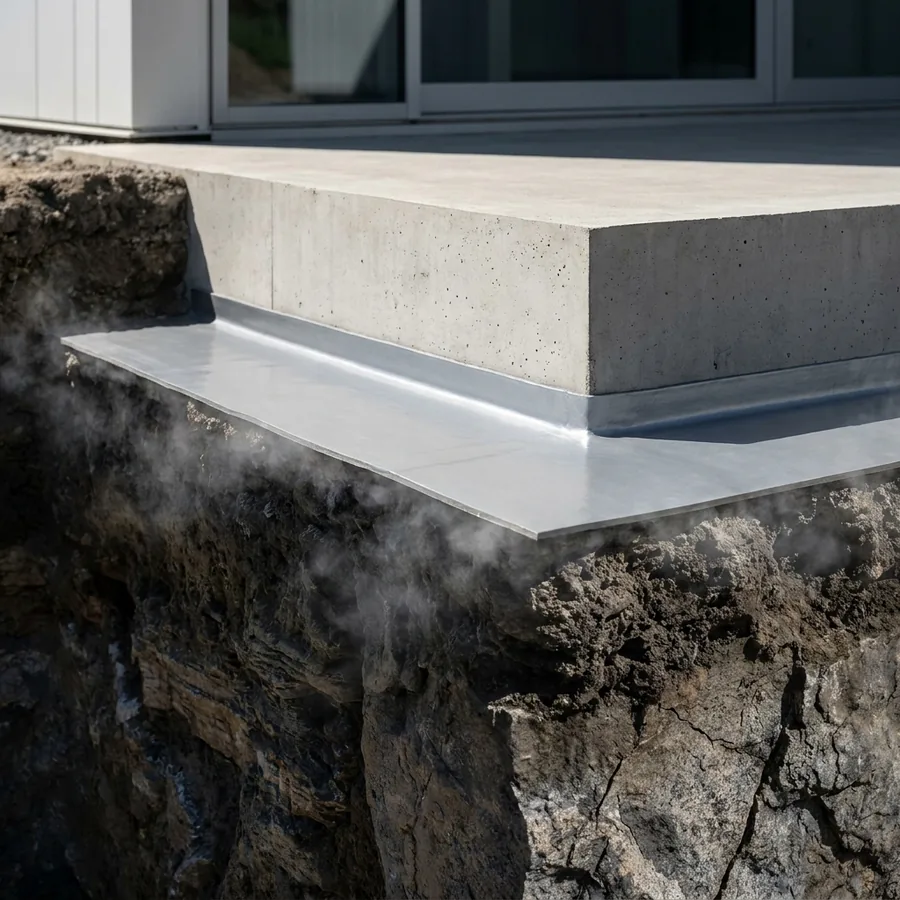
A radon gas barrier is a named two-component membrane, not a generic foundation paint.
Impermax 2K M (two-component solvent-free aromatic biobased polyurethane) is described in the catalogue as an excellent radon barrier. It is a liquid-applied, continuous elastomeric waterproofing membrane that withstands medium-light pedestrian traffic without a topcoat; outdoors, an aliphatic topcoat is recommended. Protection and repair of concrete is to EN 1504-2.
Radon barriers in the Krypton Chemical range
The waterproofing catalogue has a dedicated chapter on foundations and radon-gas barriers. Radon is odourless, colourless and highly mobile, and several membranes are certified as protective barriers against radon under the Technical Building Code of 27/12/19. Impermax GC (thixotropic polyurethane-bitumen) and Rayston Spray D50 also appear on the foundations page, with Primer GC (epoxy primer for difficult or damp substrates) and Humidity Primer (epoxy primer for residual moisture) as the primers.
Polyurea Rayston (pure polyurea) is a different lining; its WRAS approval applies to drinking-water tanks, not to radon protection. Figures from another membrane cannot be used. Mix ratio, overcoat interval and consumption come from the current TDS; then use the calculator.
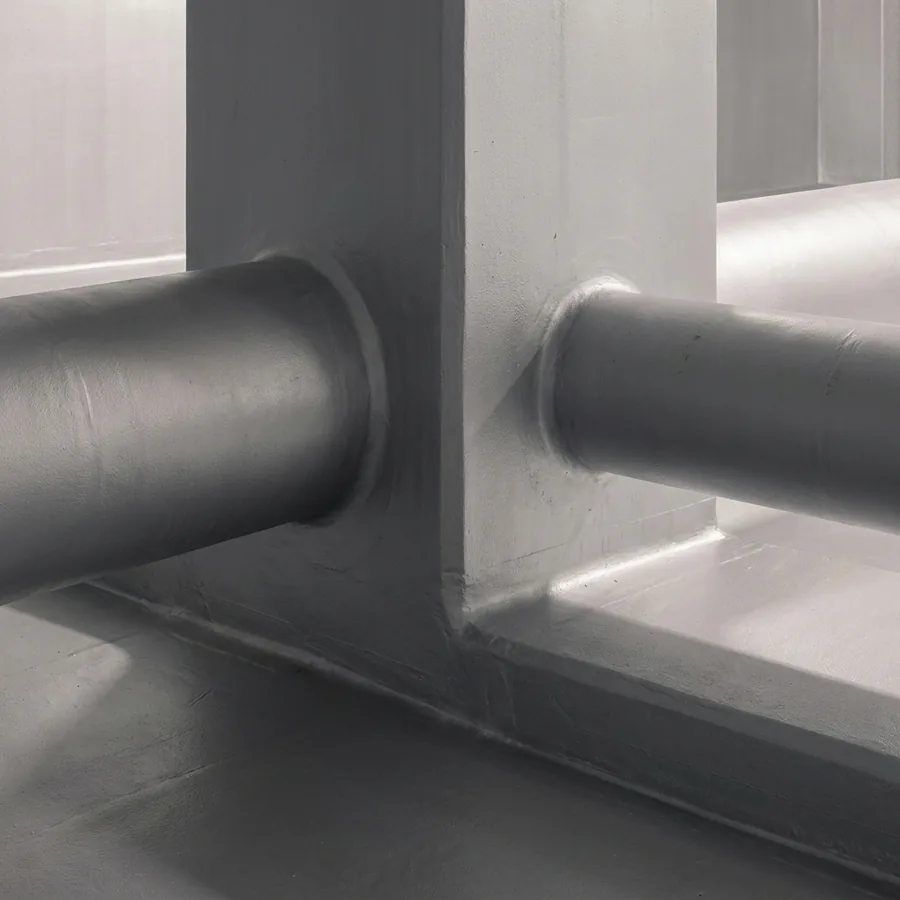
How to specify a radon gas barrier
Describe the buried surface and the radon exposure, then name Impermax 2K M (two-component solvent-free aromatic biobased polyurethane), with the aliphatic finish in the same clause where the data sheet requires it. Once the data sheet has been checked, the calculator helps you size the area.
Details are on the Impermax 2K M product entry and the foundations and radon-gas barriers application page. Data sheets are in documents, and the calculator helps you size the area.
External reference: CEN-CENELEC — EN 1504-2.
A photograph of a foundation is no evidence of radon certification.
Mix ratio, overcoat interval and consumption come from the current TDS, and the calculator then turns them into quantities for your area.
This article is general technical guidance from Krypton Chemical and does not replace the current technical data sheet (TDS), the safety data sheet (SDS) or the project specification. Pack sizes, mix ratio and consumption in kg/m² are given in the current TDS; with those figures, the calculator helps you estimate quantities for your area.