
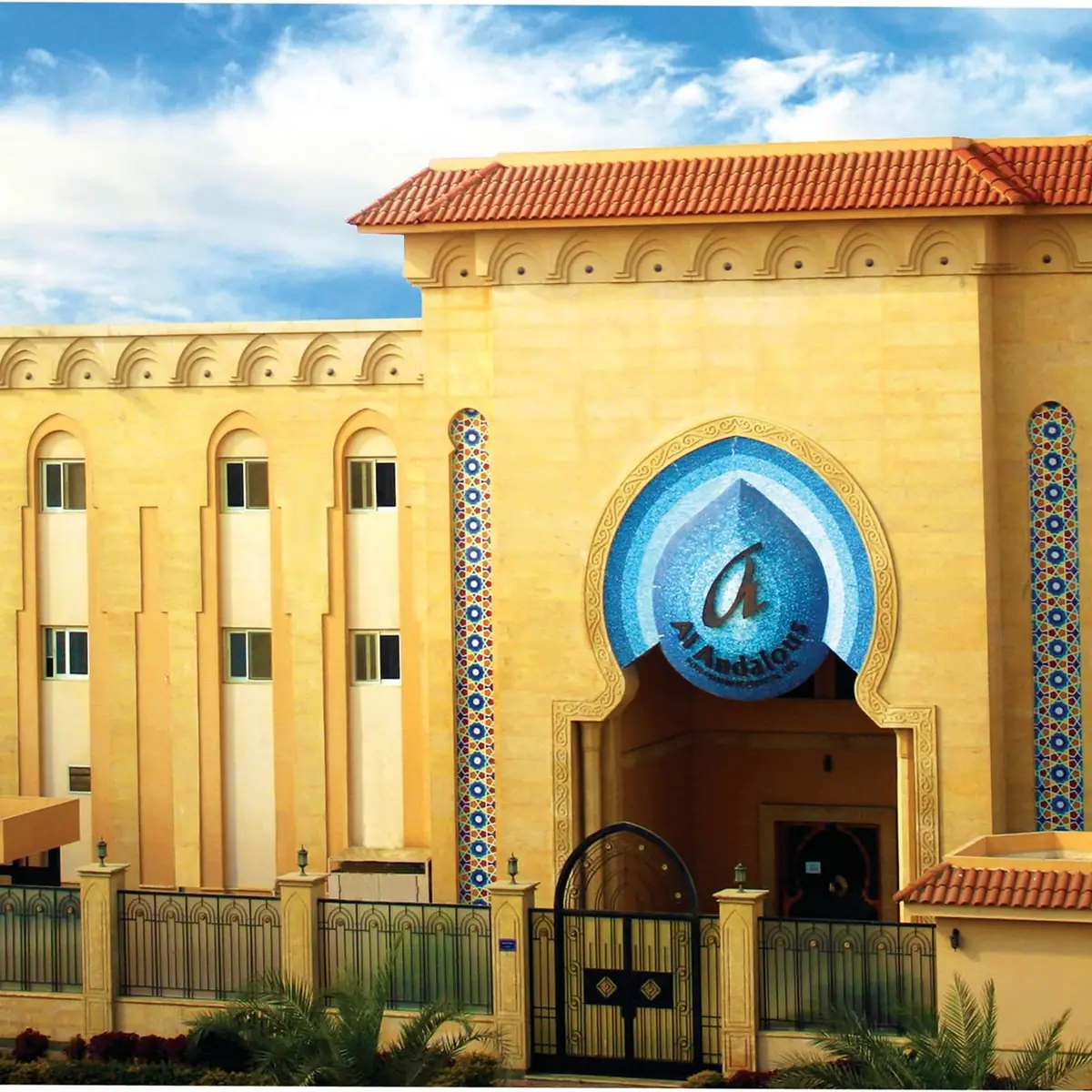
Al Andalous Pharmaceuticals roof waterproofing
In 2019 the roofs of Al Andalous Pharmaceuticals were waterproofed with hot-spray pure polyurea. A plant roof has one job: keep production dry.
01 · Project overview
What is this roof?
Al Andalous Pharmaceuticals makes medicines. The roofs over that kind of building are not a place for a slow repair. A drip into a store or a production room is a quality problem before it is a stain on a ceiling.
In 2019 those roofs were waterproofed with pure polyurea. Krypton’s Polyurea Rayston is the hot-spray membrane. It is one film over the field, the outlets and the parapet.
| Project | Al Andalous Pharmaceuticals |
|---|---|
| Year | 2019 |
| Scope | Roofs |
| System | Hot-spray pure polyurea |
| Product | Polyurea Rayston |
02 · The challenge
What does a plant roof ask?
Egyptian sun on an exposed roof moves the deck every day. A rigid coat cracks, and the crack opens at the parapet and the outlet. Under the roof, production does not stop so a crew can come back next week.
The membrane has to go down in one visit, stay elastic, and be finished at the details. A pharmaceutical roof is judged by the rooms under it, not by the look of the bay.
03 · The solution
Hot-spray pure polyurea
Polyurea Rayston was used because it builds the waterproofing in one pass and gels in seconds. On a working plant that pace matters. The film is thick enough on a vertical parapet to match the flat roof, so the edge is not the weak line.
The resin is aromatic. Where the roof stays in the sun, an aliphatic topcoat holds the colour. The polyurea underneath keeps the water out.
04 · Application
How the roof is built
Concrete is prepared before the gun. The support should be sound, with pull-off of at least 1.4 N/mm2. Cracks are cut and filled. Moisture stays under 4 percent, and the concrete sits between 10 and 40 degrees C. A damp slab gets an epoxy primer, the second coat blinded with quartz. That bond is what stops a blister on a hot roof.
The spray runs hot: resin about 65 degrees C, isocyanate about 75 degrees C, hose about 65 degrees C, at least 140 bar. The usual build is 1.5 to 2.0 kg per square metre, about 1.5 to 2 mm. Gel time is about 4 seconds at 25 degrees C. Elongation is typically 324 percent and tensile strength 16.2 MPa. Those are the product’s figures, not a cut taken from this roof.
Outlets and the parapet are sprayed in the same film. A second pass at a corner should follow within about two hours. Light traffic can wait a few hours. Full hardness takes days. An exposed face takes its aliphatic coat before the hard sun of summer.
On a pharmaceutical roof the outlets are the duty. Plant, vents and the parapet break the deck into details, and each one has to be sprayed into the film before the bay is left. A collar added the next day is a joint. Polyurea Rayston does not want that joint. Water uptake of the cured film is very low, about 0.002 kg per square metre per square-root hour, which is how a thin membrane still keeps a ceiling dry. Chemical resistance on the datasheet puts the film in class II against salt and class III against hydrogen sulphide and dilute sulphuric acid. A plant roof is not a chemical tank, but the same tight film is what you want over rooms that stay clean.
05 · Results
What this roof stands behind
The plant keeps working. The roof’s job is that the people inside never meet the weather. One elastic film, honest thickness at the outlets, and a topcoat where the sun hits.
CE marking to EN 1504-2 and European Technical Assessment 16/0148 belong to the product. They are not a test carried out on this building.
06 · Products
Product
Polyurea Rayston
Hot-spray pure polyurea for the roofs. Typical build 1.5 to 2 mm. Elongation 324 percent.
07 · FAQ
Frequently asked questions
Why polyurea on a pharmaceutical roof?
The roof sits over production and stores that cannot take a drip. A sprayed membrane closes the outlets and the parapet in the same film as the field.
How thick is the coat?
Polyurea Rayston is normally sprayed at 1.5 to 2.0 kg per square metre, about 1.5 to 2 mm. That is datasheet guidance, not a reading from this roof.
Will the sun damage it?
The resin is aromatic, so colour can shift in the sun while strength stays. An aliphatic topcoat is added where the film stays exposed.
How fast does it set?
It gels in about 4 seconds at 25 degrees C. Full hardness takes days. The roof can take light traffic well before a cement coat would.
What must the concrete be like?
Moisture under 4 percent, temperature between 10 and 40 degrees C, and a sound face. Cracks are filled before the gun starts.
08 · Photos
The building